

Famo Logistics Ltd is a subsidiary of Famo Forwarders Ltd. We are located at Cotts house, third floor along Moi Avenue in Mombasa City.
Famo Logistics Ltd specializes in cargo consolidation services. We emphasize on both domestic and international groupage cargo consolidation services. we undertake Freight consolidation in company’s distribution centers, where different shipments are received and grouped together and then shipped to the final destination. Loading of goods are done in logistics warehouses, container freight stations (CFS), dry ports, airports, and seaport respectively
Groupage Cargo Consolidation Services
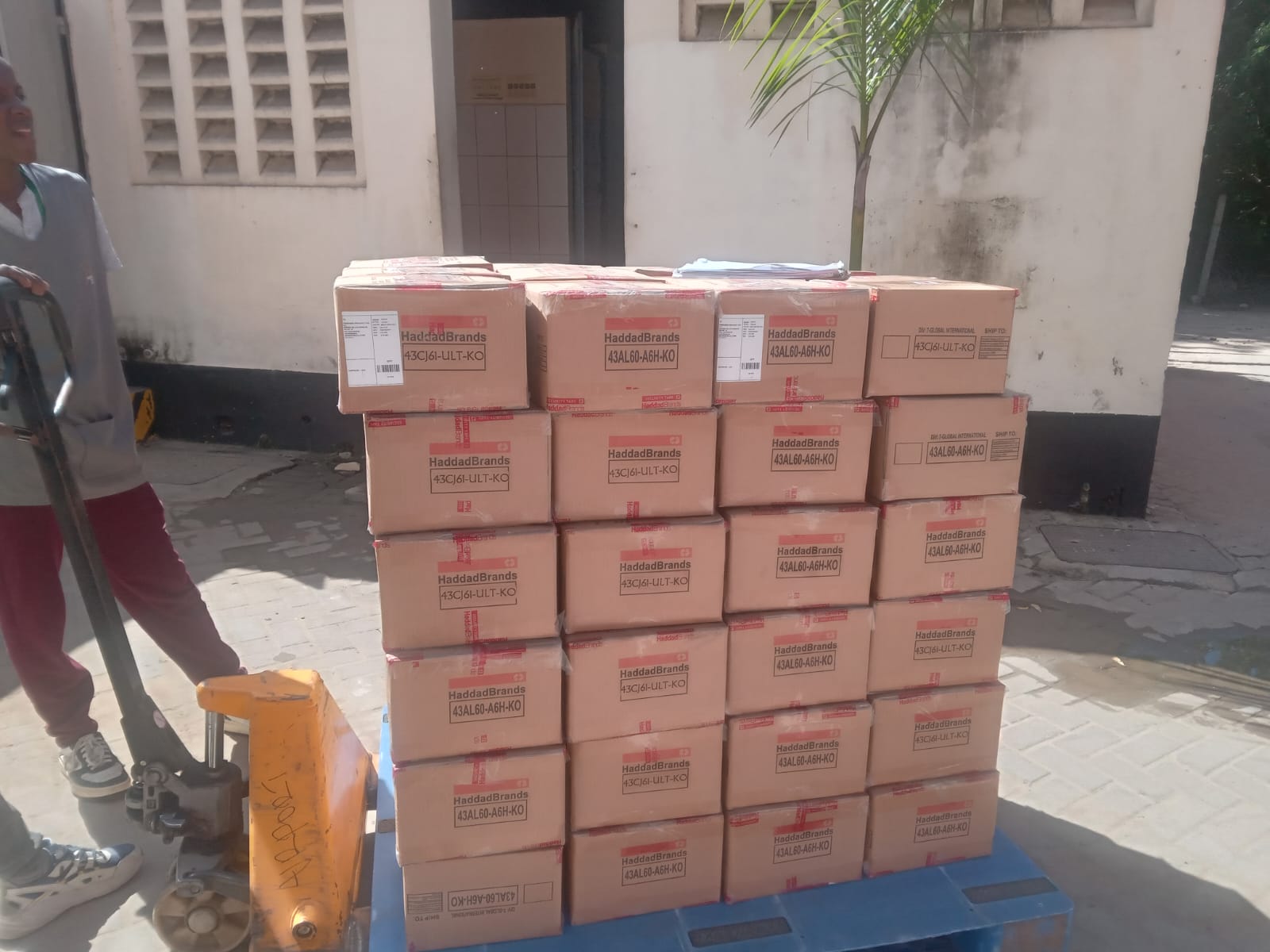
We consolidate multiple small shipments from different consignees all with similar origins and destinations into one container or vehicle to form a full container load (FCL).
Advantages of consolidation
- Greater flexibility in delivery
- Greater sustainability
- Cost effective
- Helps in internationalization.
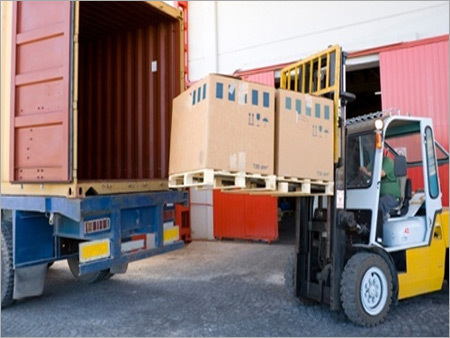
We emphasize on last mile deliveries from port to port and to cfs / ware or consignee’s premises
Groupage Consolidation procedures and practices
- Booking and Documentation: The shipper or agent (consolidator) coordinates with suppliers to pick up or receive goods at a designated warehouse in the country of origin.
- Receiving and Inspection: Cargo is inspected, weighed, and measured to ensure it meets requirements. Proper tagging is crucial, as each lot is marked to avoid errors during deconsolidation.
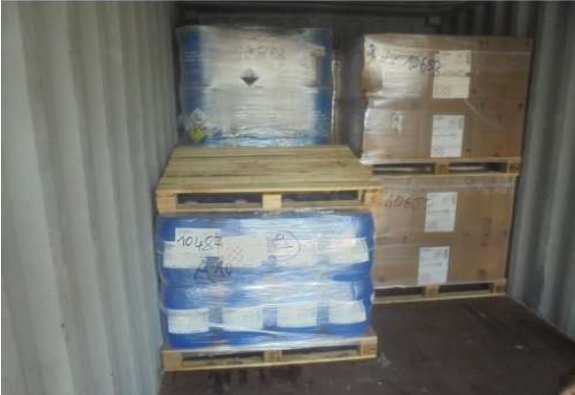
- Stuffing (Loading): The goods are securely loaded into a consolidated container, often in combination with other clients’ goods. This step is designed to optimize container space and ensure safety.
- Customs Clearance at Origin: The consolidator manages the export formalities, which usually include obtaining a Certificate of Origin and a Certificate of Conformity (COC) for the consolidated consignment.
- Transit and Shipping: The container is treated as a single consignment (FCL – Full Container Load) and shipped to the Mombasa port or relevant inland depot.
- Deconsolidation (Mombasa): Upon arrival, the container is taken to a Container Freight Station (CFS), where the consolidator separates the goods into original, individual shipments.
- Final Clearance and Delivery: The individual cargo is cleared through Kenya Customs using the Simba 2005 system and released to the respective
Required documentation for groupage importation
- Commercial Invoice
- Packing List
- Bill of Lading or Air Waybill
- Import Declaration Form (IDF)
- Certificate of Conformity (COC)
- Consignee Authorization Letter

Key Take aways
- Groupage cuts cost on small shipments by consolidating cargo, instead of paying for half-empty containers.
- Boosts efficiency and ensures better space utilization.
- Reduced carbon emission thus encourages marine safety and conservation
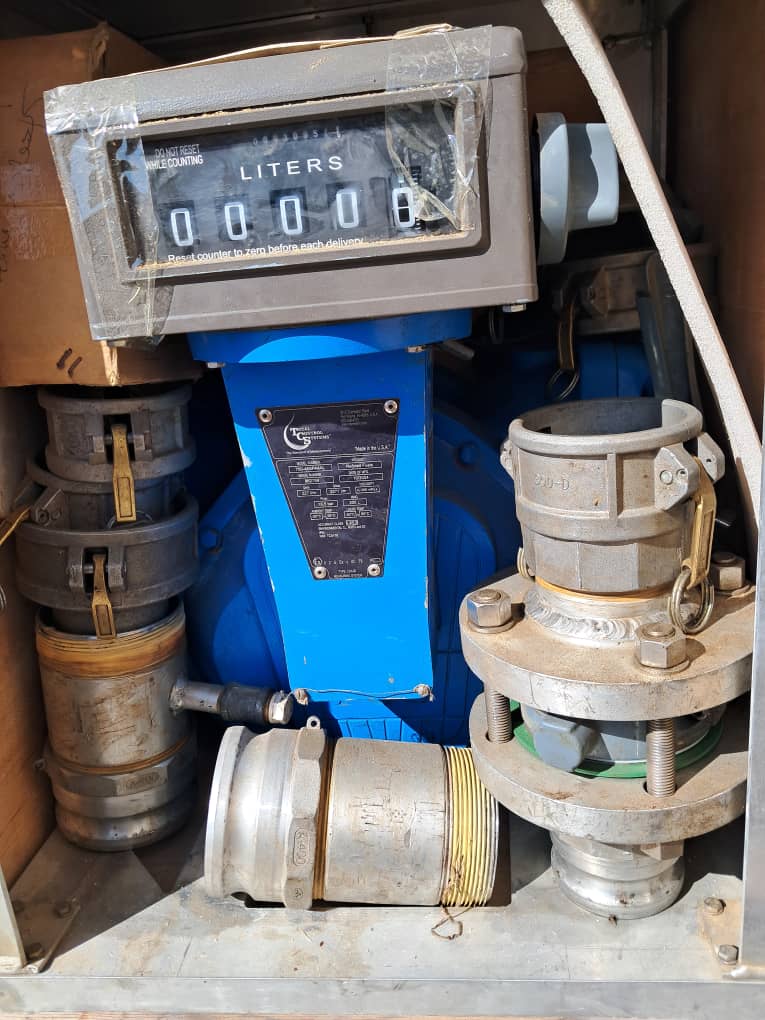
LCL & FCL de-consolidation
LCL (Less than Container Load) deconsolidation is the process of breaking down a consolidated container filled with multiple, smaller shipments from different shippers into individual, separated shipments upon arrival at a destination. This crucial step in the supply chain usually takes place at a Container Freight Station (CFS), allowing goods to be cleared through customs, sorted, and dispatched to their respective owners.